
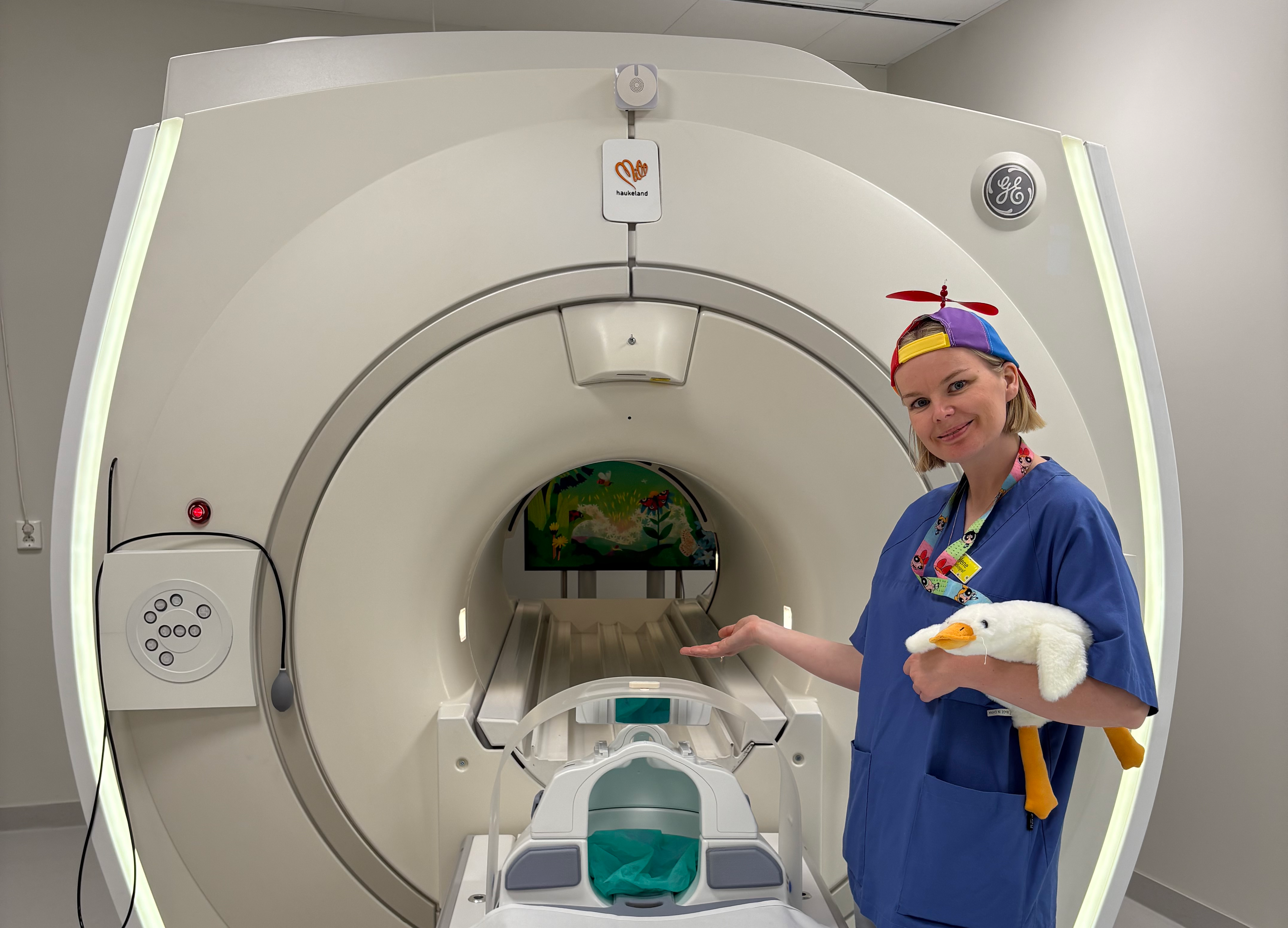
In a groundbreaking project at Norway’s Haukeland University Hospital, children between 4 and 6 years old have been trained in an MRI-simulator before having a real MRI scan. The results are remarkable: Now, most children in this age group can undergo scanning without the need for sedation.
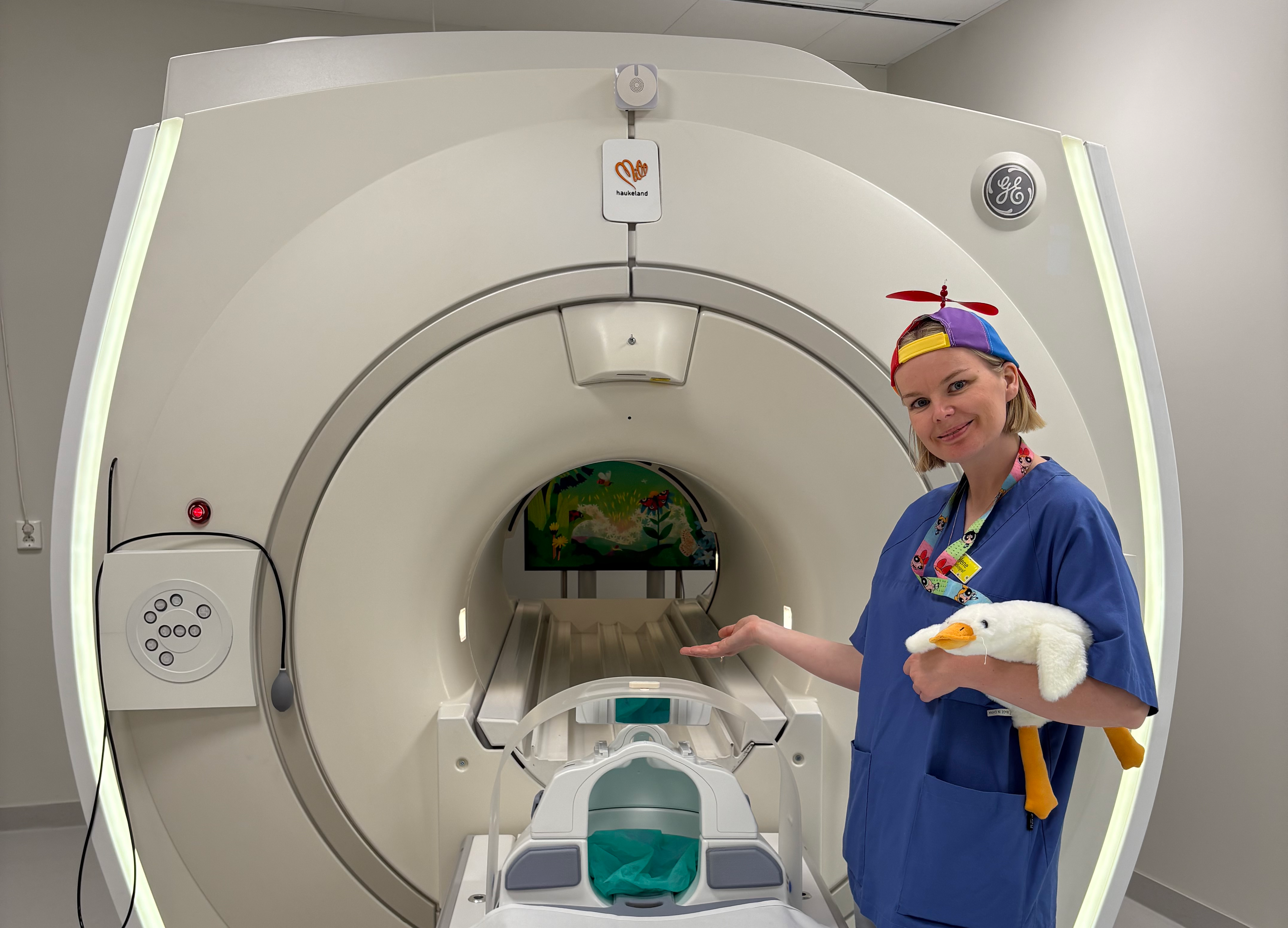
In 2023, Haukeland University Hospital, the main hospital in Norway’s western region, opened an all-new Children and Youth Clinic building, with the ambition to set new standards for paediatric care in the Nordics. The state-of-the-art facility was designed with young patients in mind, featuring welcoming interiors and tailored amenities. Just as importantly, it marked a significant investment in advanced technology to support key treatment goals—one of which was to reduce the need for anaesthesia during MRI scans for children.
“We chose the SIGNA™ Premier 3T MRI scanner from GE HealthCare because it offers features that are particularly well suited to our young patients,” said Hege Kristin Hommedal Blom, assistant section leader in the radiology department. “The system includes motion correction for a range of different 2D and 3D sequences, and flexible, lightweight coils—both crucial when scanning children. It also offers entertainment options such as Netflix and YouTube, and allows the MRI room to be customised with animated themes chosen by the child. As a modern paediatric hospital, we want to create a setting that is as welcoming and child-friendly as possible.”
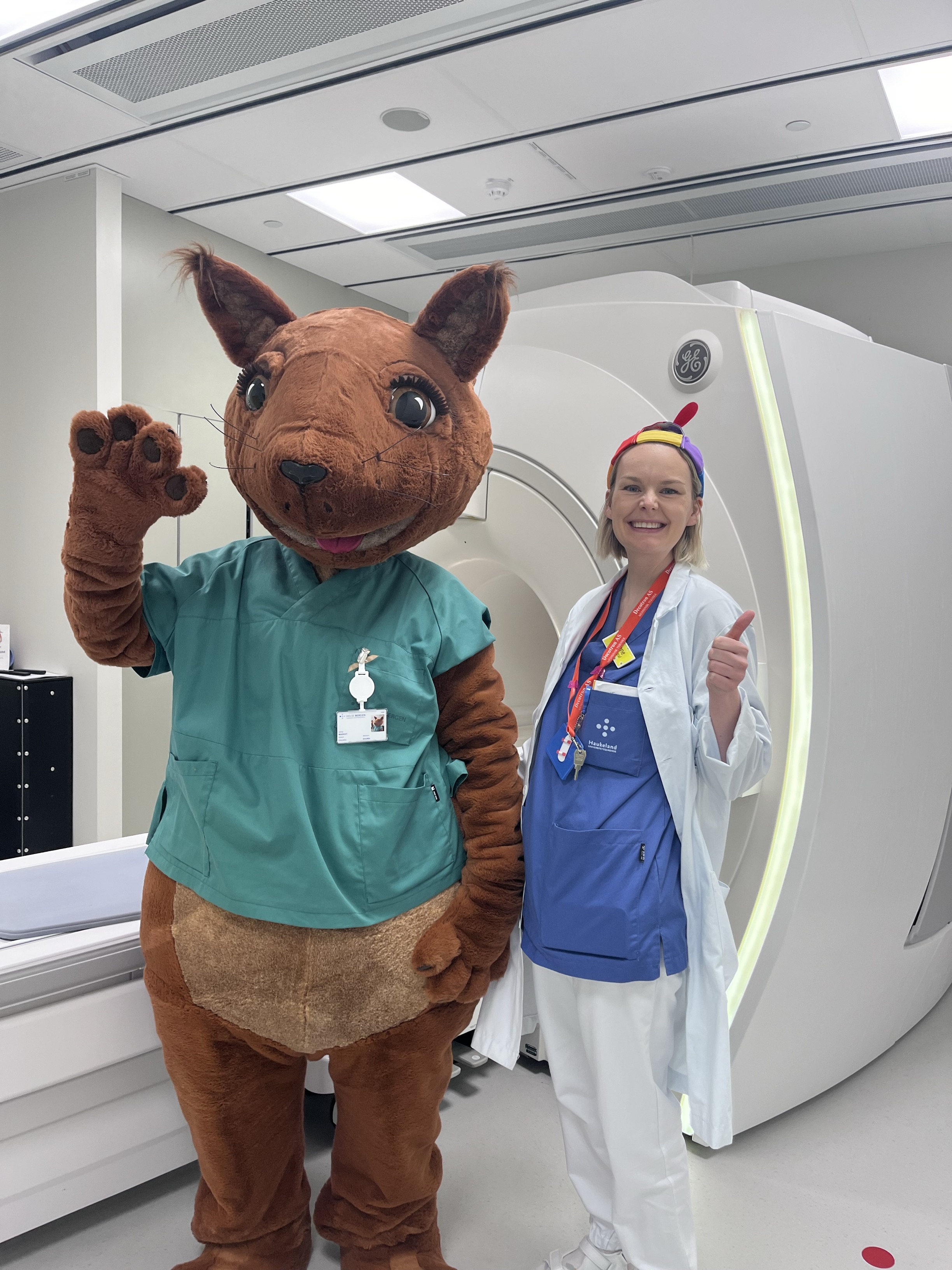
Although MRI is a standard procedure, it can be a challenge to perform awake scans on small children. The scanner is large, the space inside feels tight, and the loud, unfamiliar noises can be unsettling, even for grown-ups. For younger children, especially those aged 4 to 6, the standard approach has therefore been sedation during the scan. But that is now beginning to change:
“Our goal is to minimise the number of children who need sedation,” said Helene Mork-Knudsen, Specialist Radiographer and head of the hospital’s MR OpSim project.
“It makes the process smoother and faster for our young patients, while also allowing us to work more efficiently and use our resources better. That’s why we chose to invest in a mock-up MRI scanner from GE HealthCare in addition to the real one. We use it for training, helping more children undergo scans while awake, and to assess which patients may still require anaesthesia.”
Success rate: Over 80%
The idea of installing a mock-up MRI at Haukeland was discussed already in the planning phase of the new building, and after reviewing available literature and consulting with Rigshospitalet in Copenhagen, Denmark, about their experiences with MRI simulation. The mock-up—a full-size MRI machine replicating the sounds and experience of a real scan—has been a key element of the hospital’s MR OpSim project, aiming to explore ways in which children and young people can be better prepared for actual MRI examinations. And even before the project’s completion, the results stand out and speak for themselves:
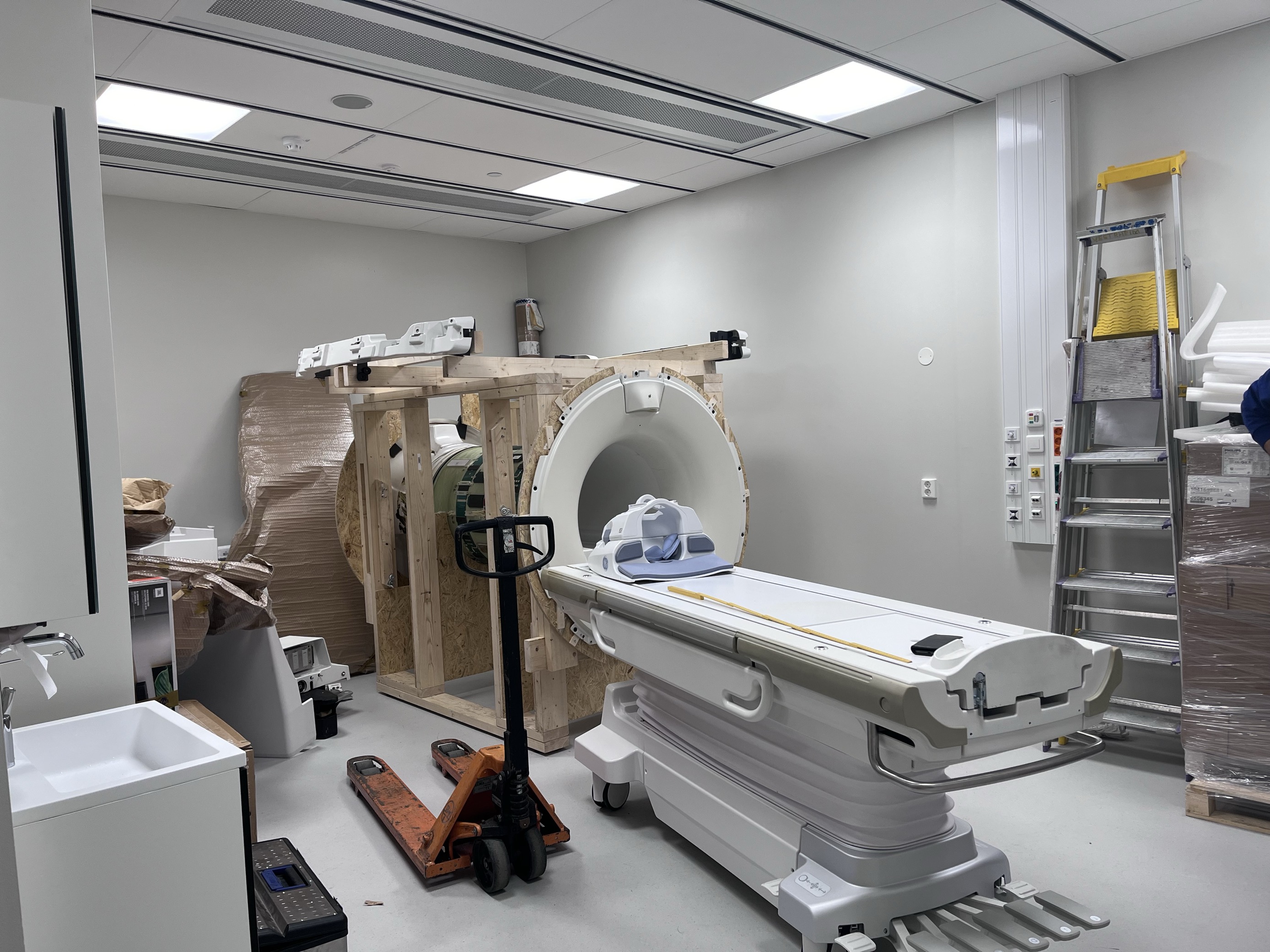
The MR simulator—a full-size MRI machine replicating the sounds and experience of a real scan—has been a key element of the hospital’s MR OpSim project, aiming to explore ways in which children and young people can be better prepared for actual MRI examinations.
With targeted training, it is possible to drastically reduce the use of anaesthetics in four to six-year-old children. Also, more than 80% of the children who, through the training session, were screened and found capable of being scanned without sedation, also proved able to. As Hege Kristin Hommedal Blom concluded:
“For the anaesthesia doctors and nurses involved, it is quite reassuring to know that we are only sedating those children who need it for a good reason and not just because they have a certain age.”
At Haukeland, a hospital serving a population of around 1.1 million, the impact has been immediate: waiting lists for sedated MRI scans in children have been significantly reduced. An awake MRI typically takes 15-30 minutes, when the patient has been trained, far less than a sedated exam, which can last up to an hour, not including recovery time. Sedated patients must also fast for hours beforehand. In contrast, after an awake scan, the child can simply get up and go home.
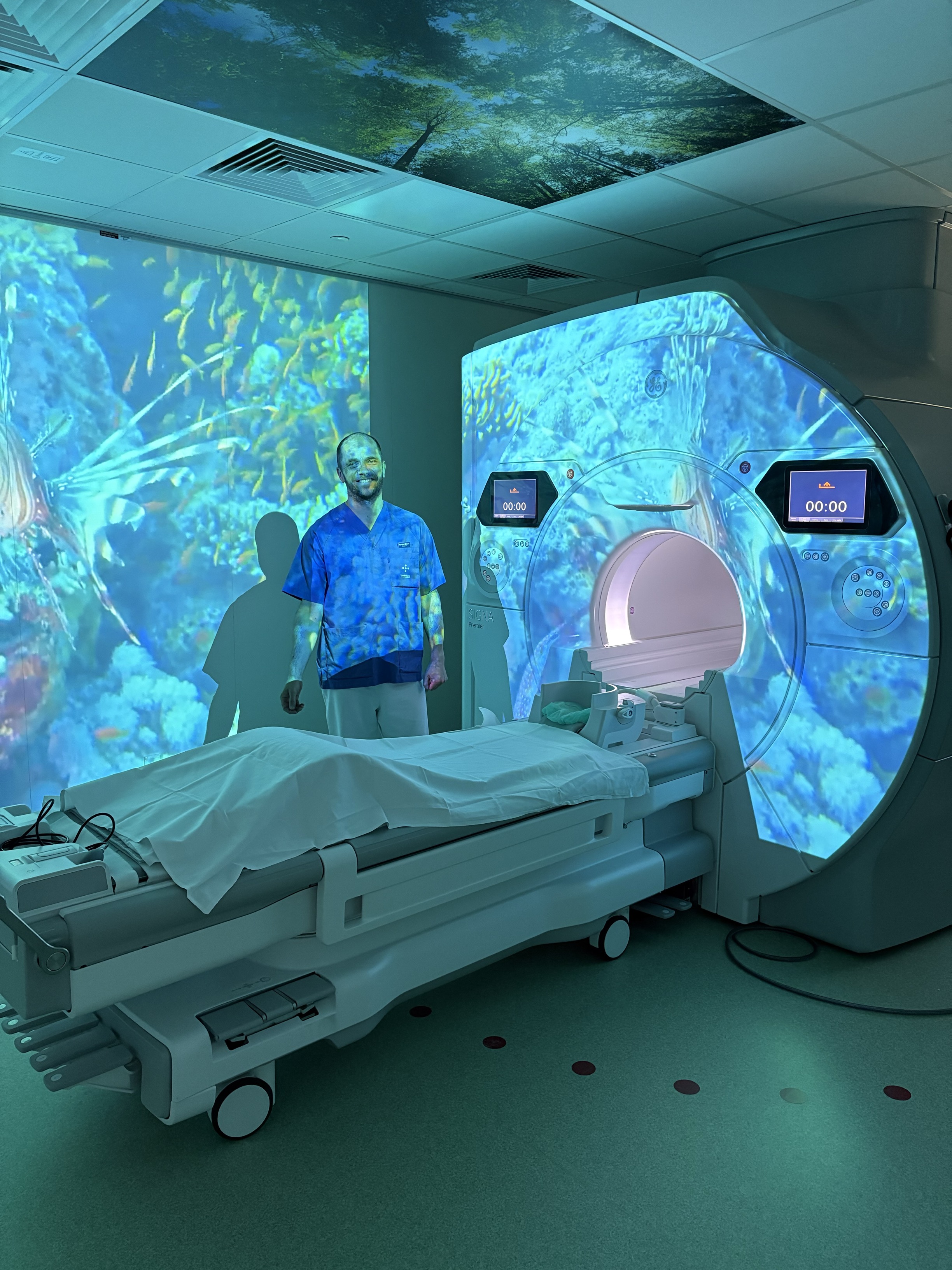
Øyvind Blom by the SIGNA™ Premier 3T MRI scanner. The implementation of the scanner also offers entertainment options such as Netflix and YouTube, and allows the MRI room to be customized with animated themes chosen by the child.
Empowering the pediatric patients
However, transitioning young children from sedated to awake MRI scans isn’t just about improving efficiency—it’s also about empowerment and education.
“We want to offer children an alternative—a chance to take on the challenge and succeed on their own terms,” said Helene Mork-Knudsen. “We often receive referrals with notes like, ‘This child won’t be able to manage an awake scan.’ But when we make those assumptions for them, we risk underestimating their capabilities and denying them the opportunity to succeed. Sure, young boys with ADHD may struggle to lie still—but with the right preparation, you’d be surprised at how well they can manage.”
Hege Kristin Hommedal Blom added: “It gives children a sense of autonomy and helps foster a positive relationship with the healthcare system—an investment that pays off in many ways. Many of our young patients return for follow-up scans, so by prioritising training, we not only spare them multiple sedation sessions but also make more efficient use of the real MRI scanner and the hospital’s overall resources.”
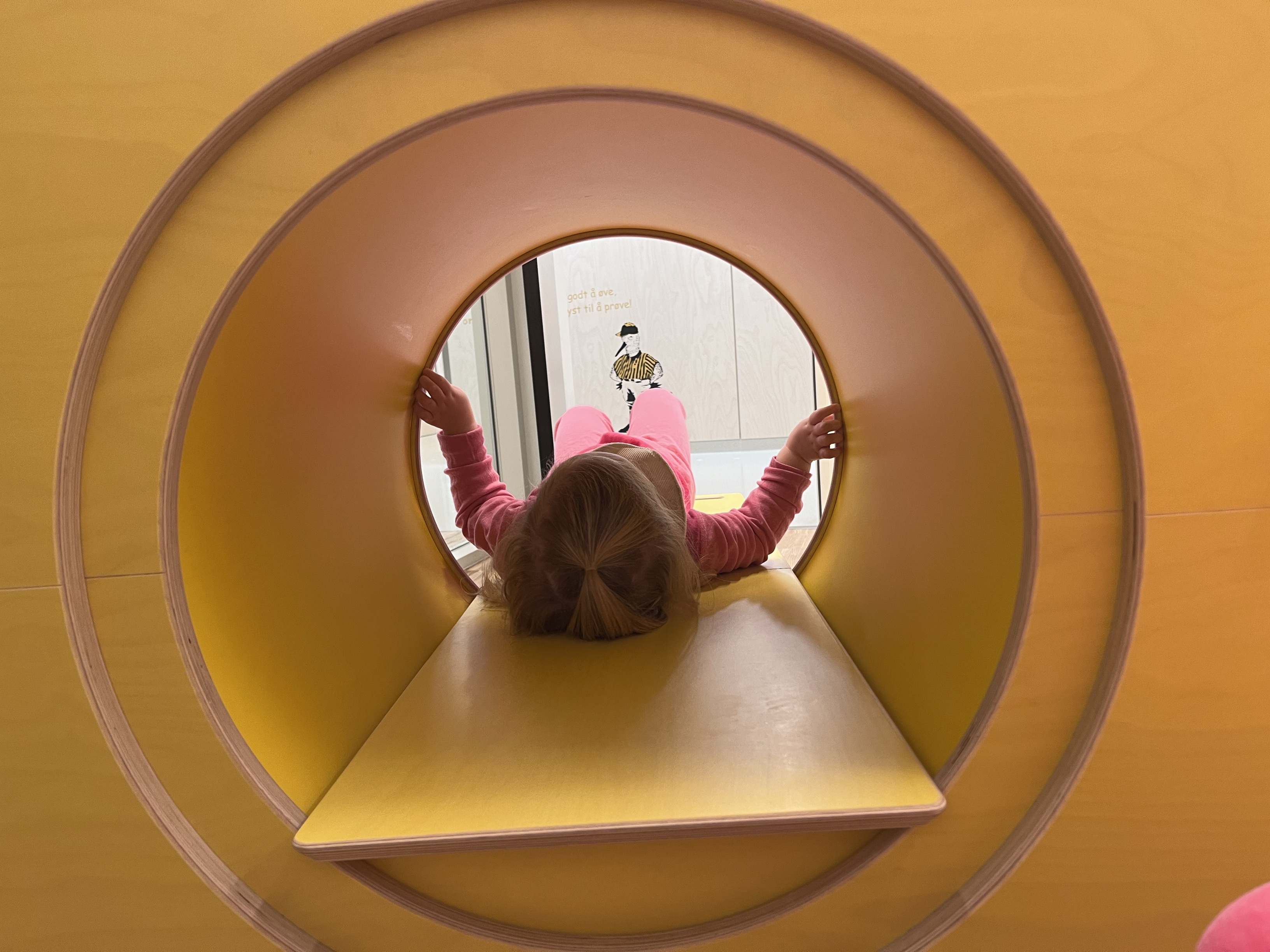
Mini MR scanner in play area at Haukeland University Hospital.
Motion correction makes a big difference
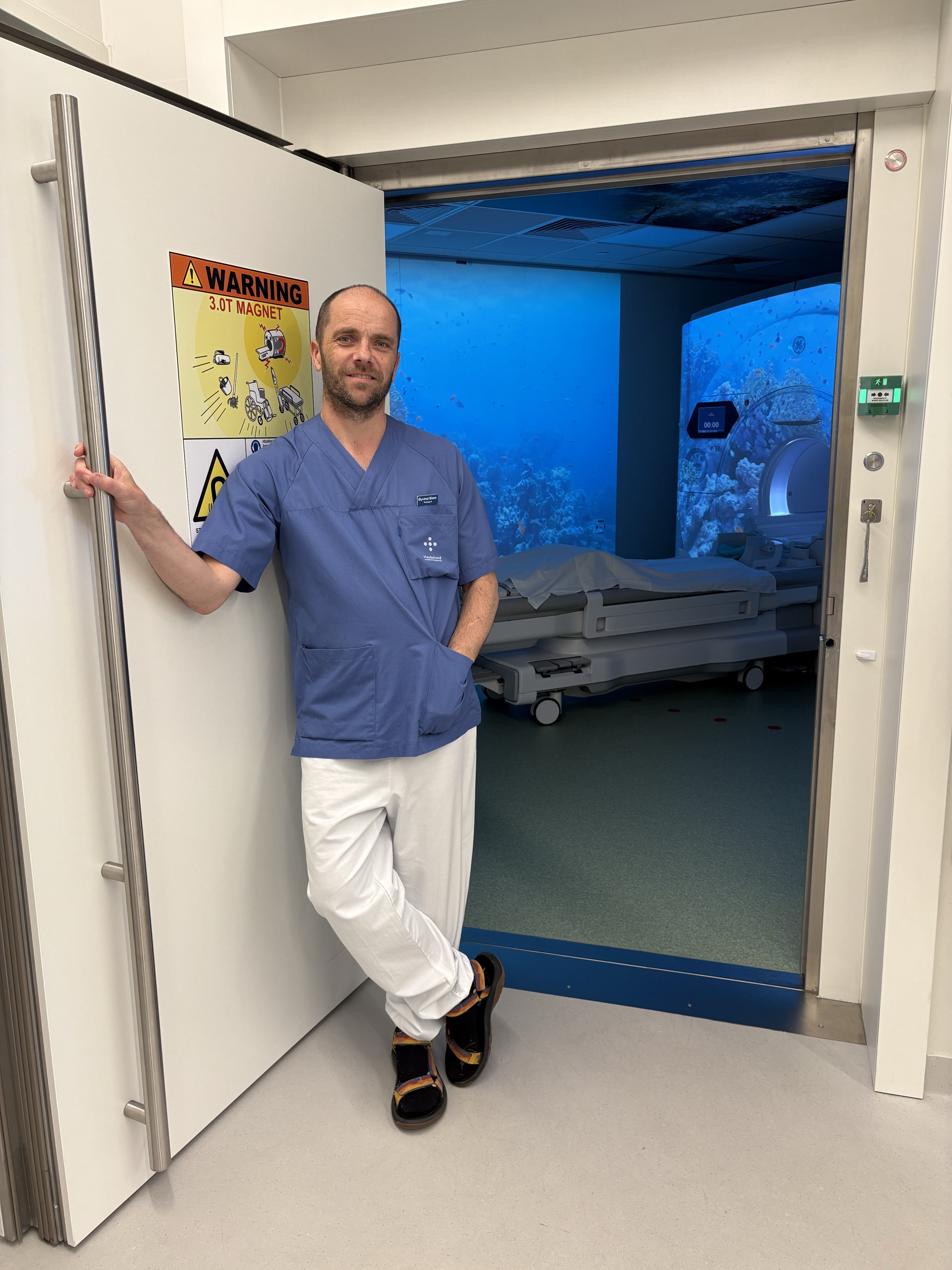
Even when children struggle to stay completely still during the scan, motion correction features like PROPELLER on 2Ds and 3D PROspective Motion correction (PROMO) on the SIGNA Premier 3T scanner can make all the difference,” says Øyvind Blom, Specialist Radiographer at the Department of Radiology at Haukeland University Hospital.
"It’s been far more effective than I expected—and incredibly valuable,” Øyvind Blom explained. “When working with very young patients, 2D PROPELLER and 3D sequences with PROMO, in combination with the AIR™ Recon DL, are real assets. Additionally, the system performs all other sequences with greater ease and much shorter scan times than any other system I have worked with. In most cases, we can achieve excellent image quality even if the patient hasn’t remained perfectly still. So, while training is essential, motion correction is equally crucial in increasing the number of successful awake scans and reducing the need for sedation.”
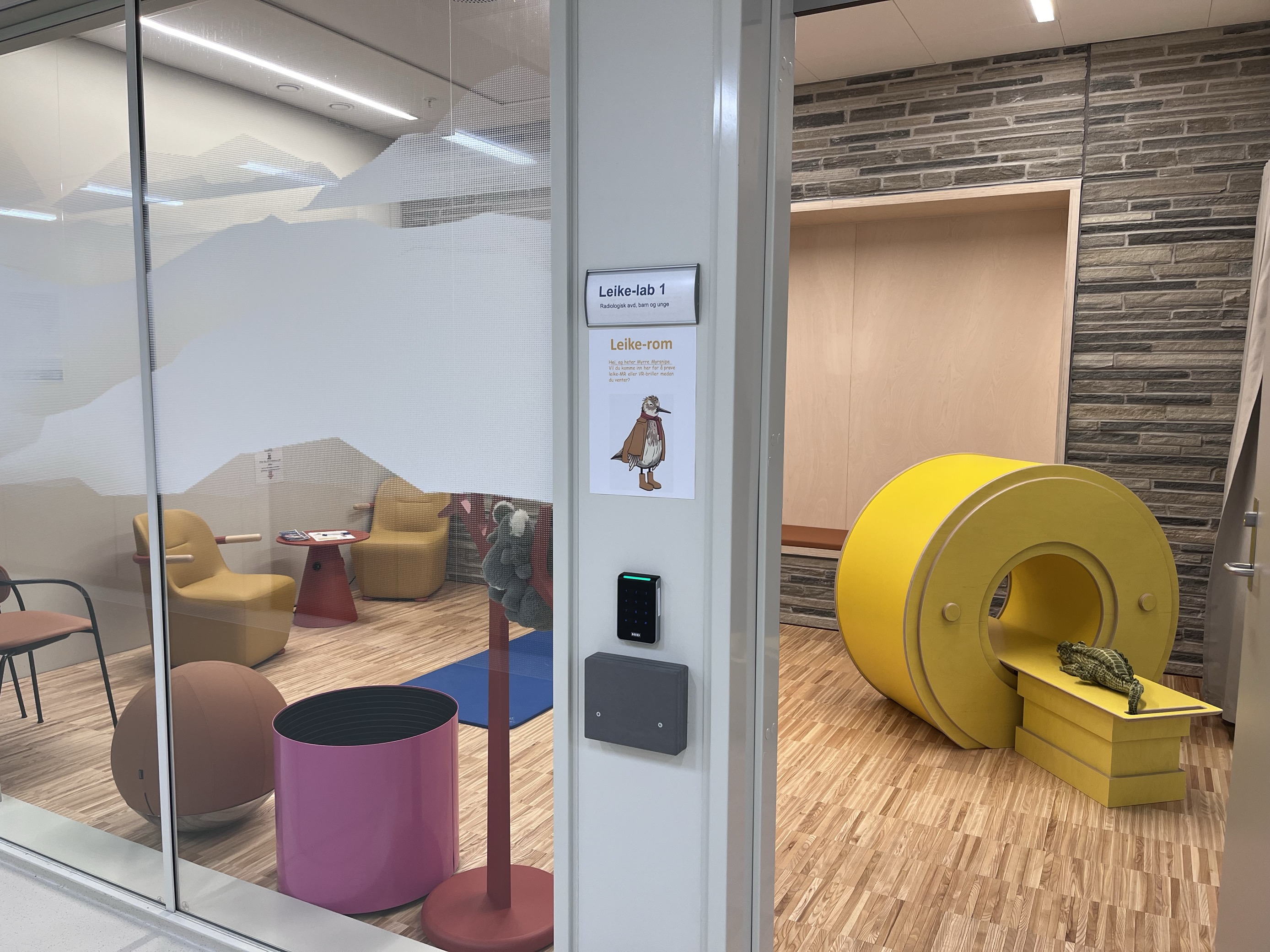
Play area at Haukeland University Hospital.
Flexible Coils enable high-quality images in challenging cases
While the system’s AI-driven imaging sequences have shown great value in paediatric care, GE HealthCare’s coils have also proven a significant advantage. These lightweight, flexible radiofrequency (RF) coils are especially well suited for scanning children.
“We have four different coils, and we use them extensively,” says Øyvind Blom. “With neonatal patients, you often need to get creative with positioning, and these coils allow for that. They’re ideal for small bodies—we can wrap them around the patient, and the variety of sizes means we can adapt to almost any situation. They’ve made a big difference in our ability to deliver high-quality imaging in even the most difficult cases .”
Haukeland’s new approach to MRI scanning marks a significant step forward in patient-centered care, improving both clinical outcomes and the overall experience. By reducing the need for sedation, children are offered a gentler, more empowering process. Early interaction with staff builds trust and familiarity, which makes future visits less stressful. For healthcare professionals, the model strengthens relationships with families and supports more personalised treatment. Equally important, the radiology department is now able to maintain a high image quality while working more efficiently, allowing the hospital to optimize both time and resources.
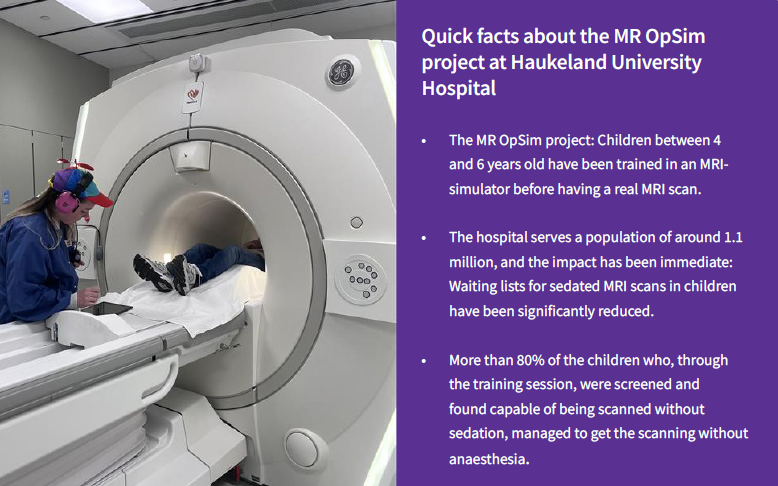
Mette Nygård, MR radiographer in the radiology department.
Learn more about SIGNA Premier here.
June 2025. Helene Mork-Knudsen, Øyvind Blom, Hege Kristin Hommedal Blom, and Mette Nygård do not have any contractual relationship beyond the fact of being end users of a GE HealthCare medical device.

